Limited Edition of 5
40 x 60.0 in
101.6 x 152.4 cm
US $ 4,600
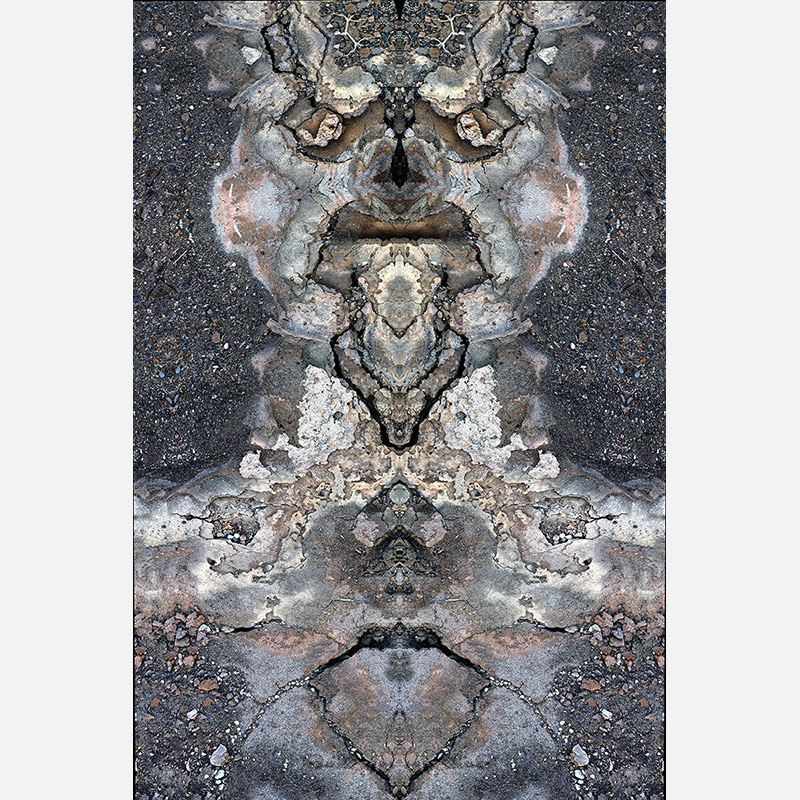
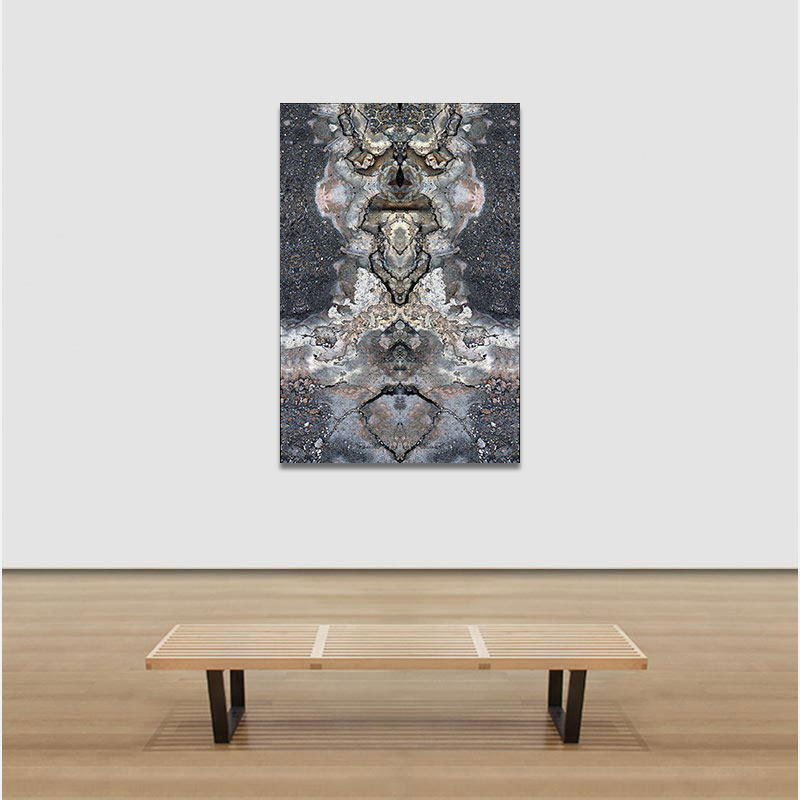
Cracks spider across a field of muted beige and gray, softened by time and traces of graffiti, while patches of moss and lichen lend an organic depth to the wall's fractured surface. What first seems like pure abstraction gradually resolves into a figure: a faded mask, perhaps a sentinel shaped by years of exposure, its gaze caught between recognition and dissolution. The materiality of the wall is never in doubt; what changes is the angle from which that materiality is seen.
Cracks spider across a field of muted beige and gray, softened by time and traces of graffiti, while patches of moss and lichen lend an organic depth to the wall's fractured surface. What first seems like pure abstraction gradually resolves into a figure: a faded mask, perhaps a sentinel shaped by years of exposure, its gaze caught between recognition and dissolution. The materiality of the wall is never in doubt; what changes is the angle from which that materiality is seen.
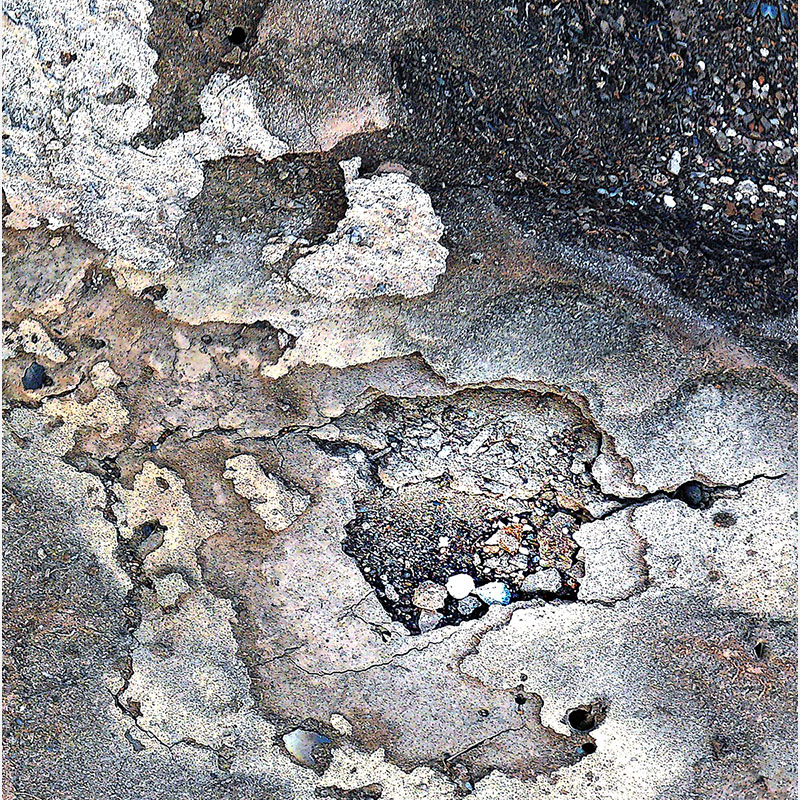
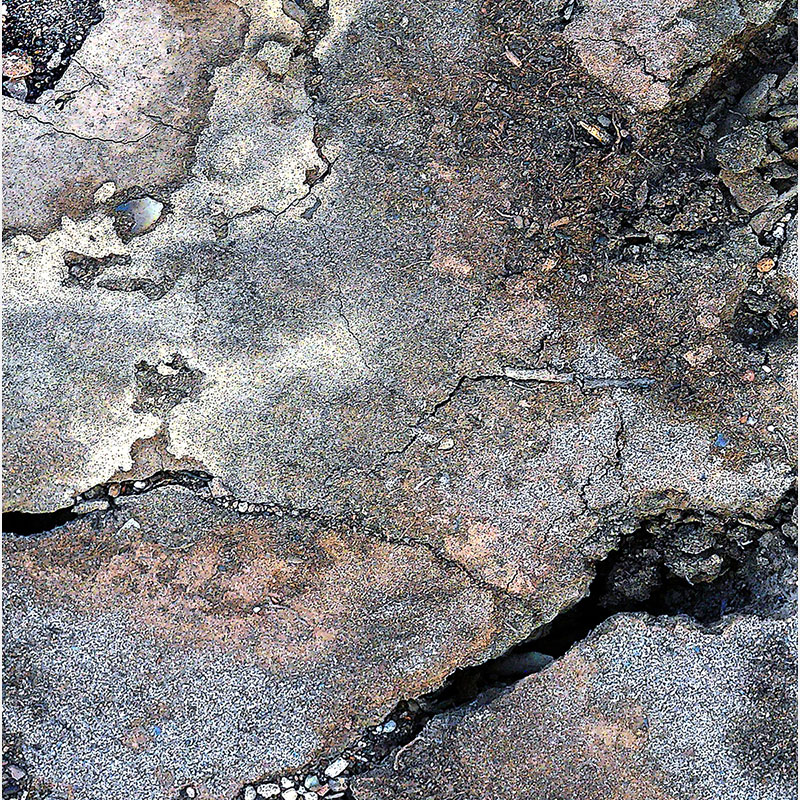
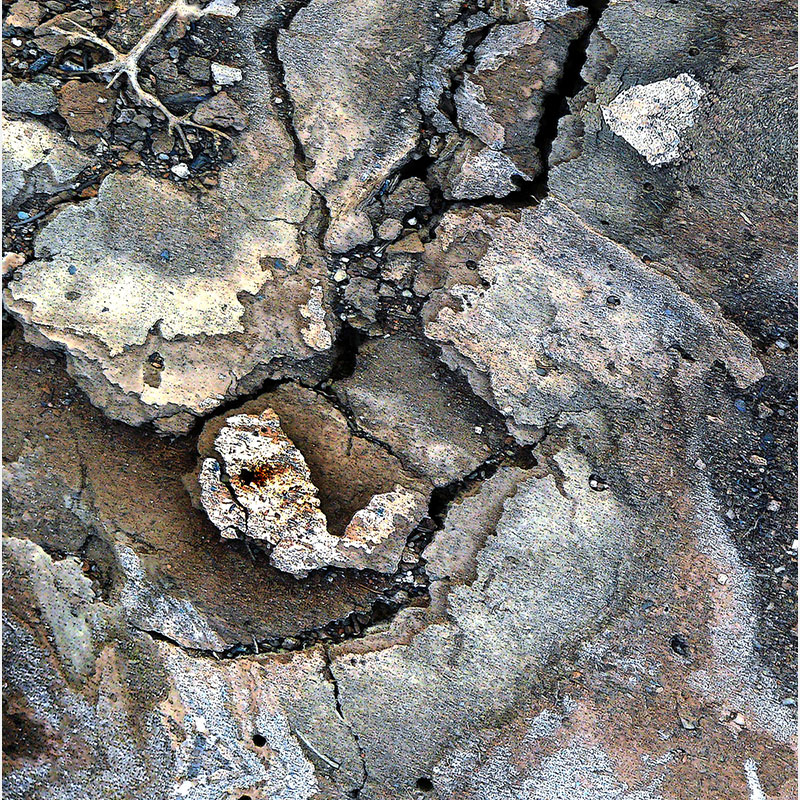
Ragazzini photographs a section of the wall at close range, mirrors the image, then works it: the cracks and stains are refined until the wall's surfaces hold a painterly rhythm that reads as both structural and expressive; the threshold between the two readings is never resolved.
What this work makes visible is the perceptual mechanism itself operating at its most delicate threshold. Ruggero Pierantoni, in L'occhio e l'idea, argues that given bilateral symmetry and sufficient tonal contrast, face-recognition engages before conscious attention has time to intervene. The face here is just barely present enough to trigger that engagement without the abstraction of the surface being lost. The viewer becomes aware of their own visual system mid-operation. The tension between the two readings is the work's subject.
For a closer look at the making, and the thinking behind the Creature series: What the Eye Finds