Linseed oil, pigments, beeswax, and glass powder on Panel
60 x 48 in
152 x 122 cm
US $ 8,500
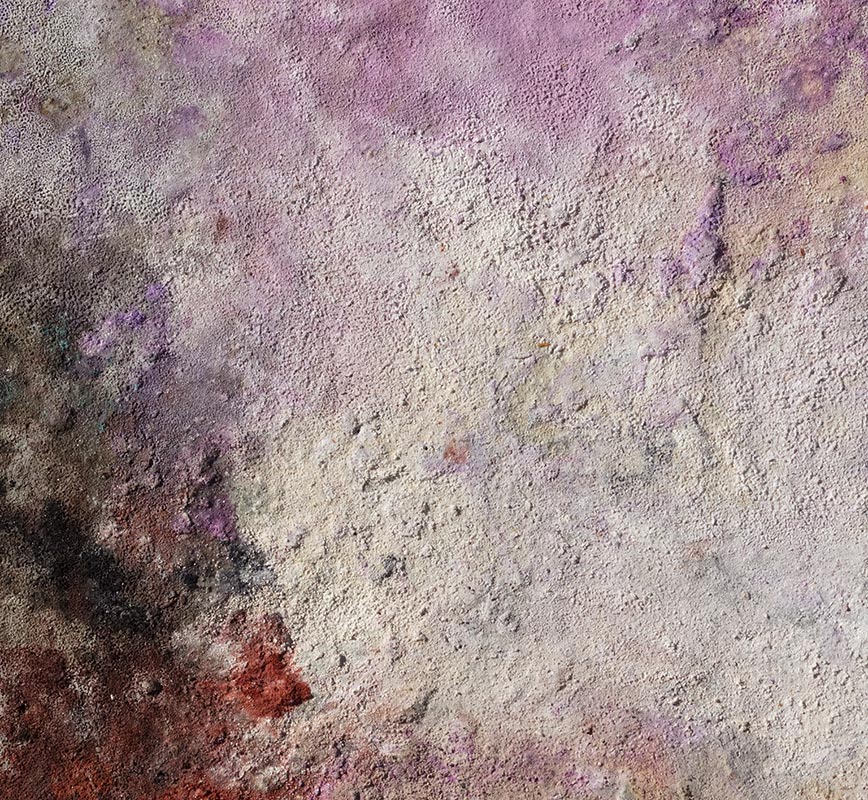
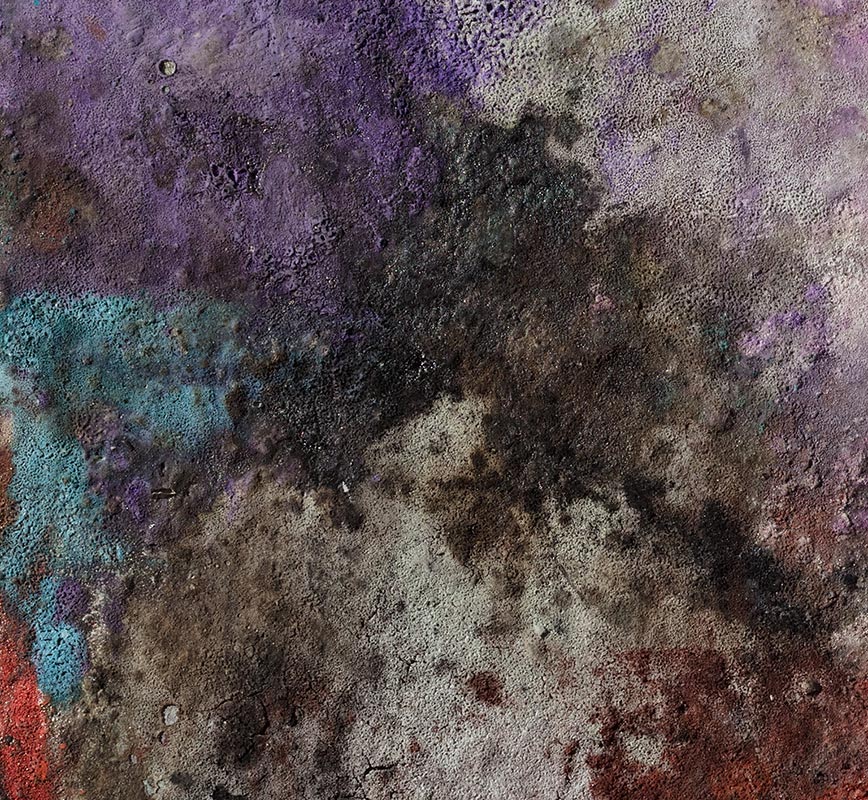
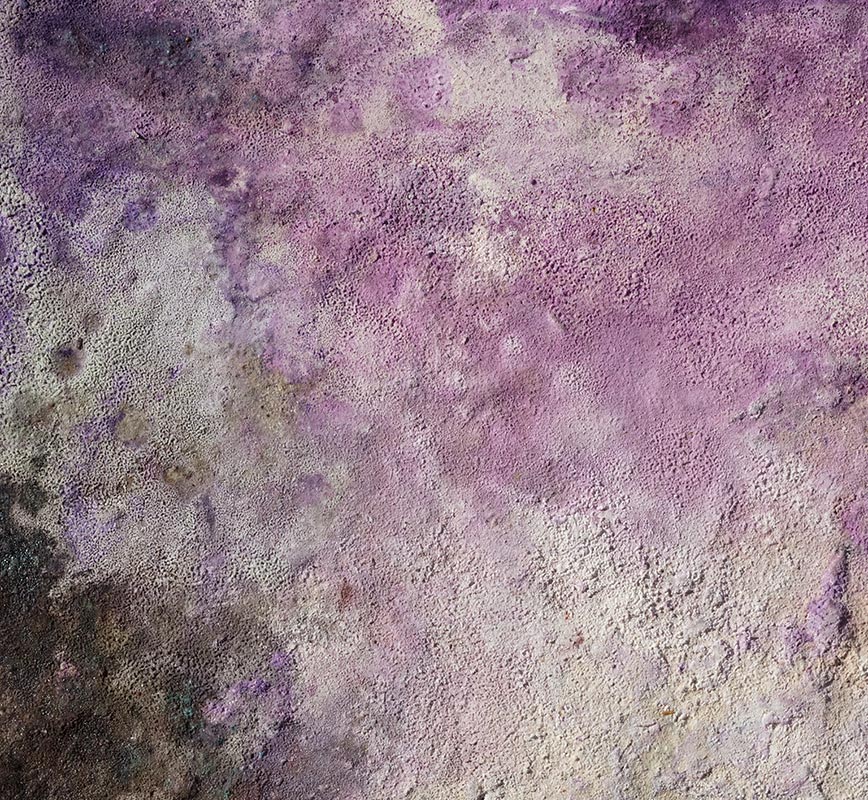
Aria [Air] is the one painting in De Gennaro's current work where a discernible form appears: a lone, twisting tree reaching into a pale sky of layered lavenders and soft blues, its roots in a warm ochre and golden field below. The handling is more painterly and less material than the other panel works, the brushwork more visible, the surface built up in impasto passages rather than in the slow wax accumulations of the companion panels. The painting breathes. The title is both description and instruction.
Aria [Air] is the one painting in De Gennaro's current work where a discernible form appears: a lone, twisting tree reaching into a pale sky of layered lavenders and soft blues, its roots in a warm ochre and golden field below. The handling is more painterly and less material than the other panel works, the brushwork more visible, the surface built up in impasto passages rather than in the slow wax accumulations of the companion panels. The painting breathes. The title is both description and instruction.
The palette and atmospheric handling of Aria bring De Gennaro into contact with the French landscape tradition, particularly with Corot's early plein-air studies and their quality of light caught at a specific atmospheric moment: warm earth below, cool luminous sky above, a single vertical element holding the two registers in relation. Corot's career-long investigation of the moment when landscape becomes atmosphere, when the specific dissolves into the general, is the temperature that Aria reaches toward. De Gennaro arrives there through the same process that governs all his panel works, semi-transparent encaustic layers, glass powder generating internal refraction, but deploys it here in the service of something closer to conventional pictorial space.
The tree is not a symbol; it is a tree, painted with the directness and warmth that De Gennaro's artist statement describes as his "unequivocal declaration of love for my homeland." The painting is one of the few moments in the practice where that love is expressed through recognizable form rather than through matter alone.
![Encaustic abstract landscape by Orazio De Gennaro. Lone twisting tree against layered lavenders and pale blues, warm ochre field below. Aria [Air], 2023.](images/artwork08a.jpg)
![View in a room of encaustic abstract landscape Aria [Air] (2023) by Orazio De Gennaro, 60 x 48 inches. Tree form in warm ochres and pale blues.](images/artwork08e.jpg)