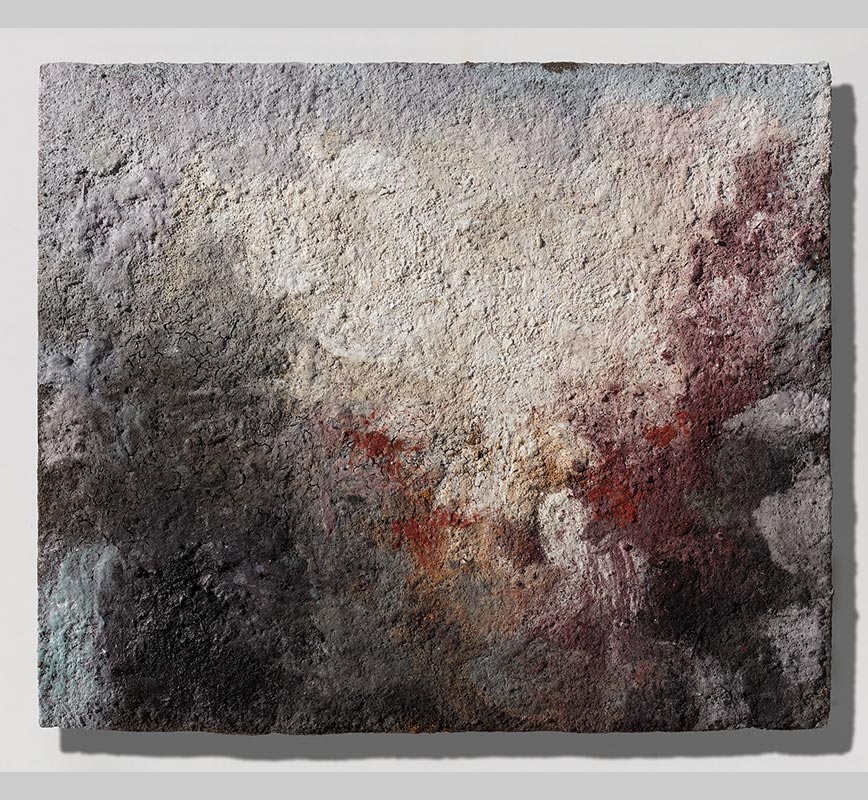
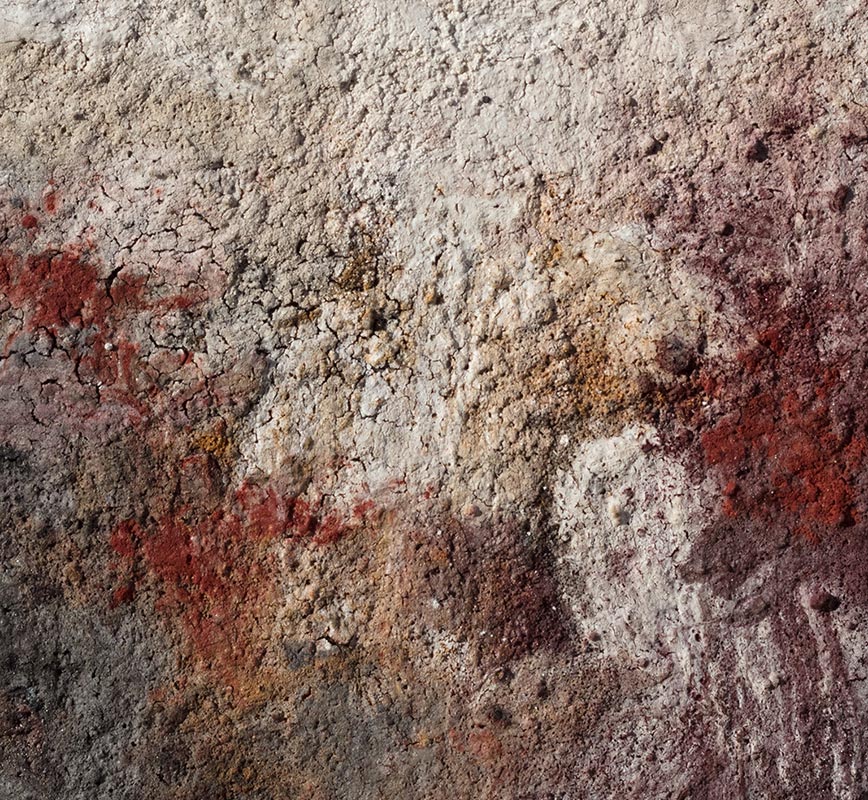
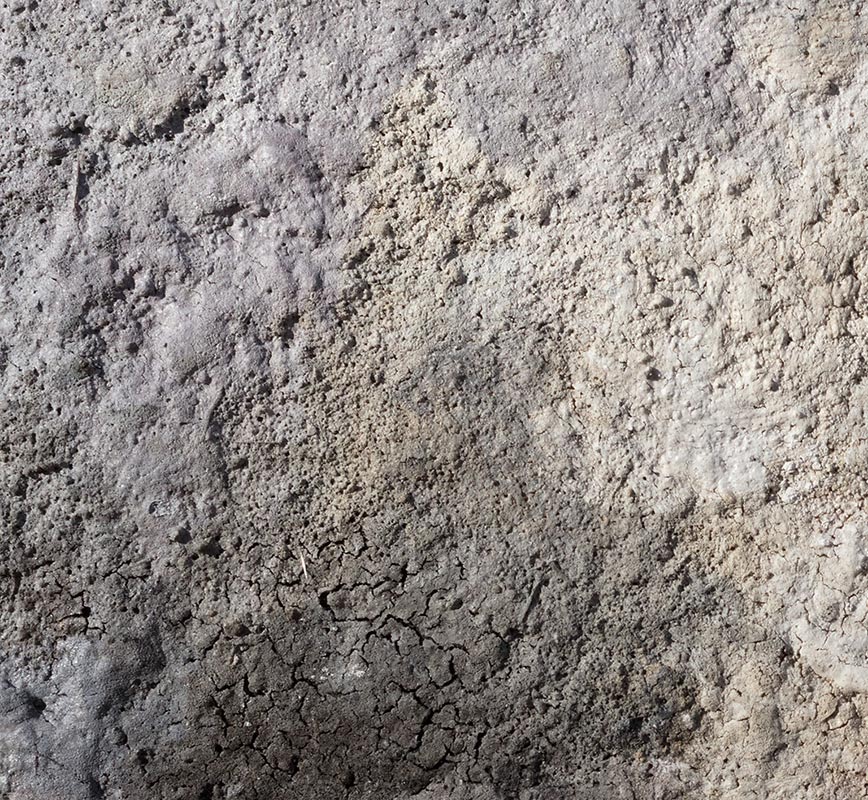
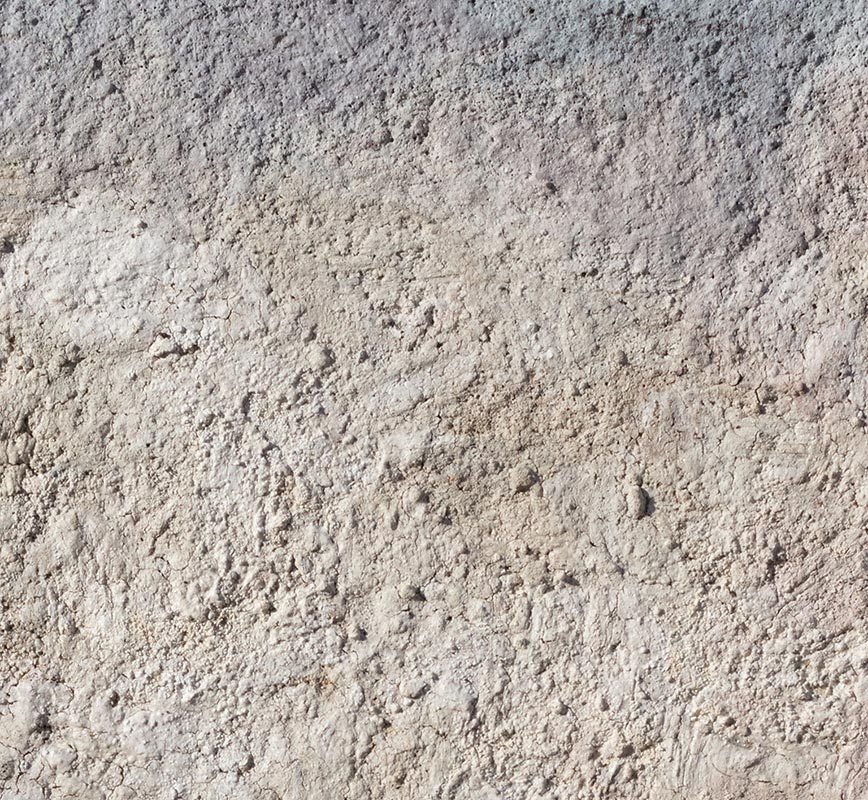
Linseed oil, pigments, beeswax, and glass powder on Canvas
30 x 30 in
76 x 76 cm
US $ 5,000
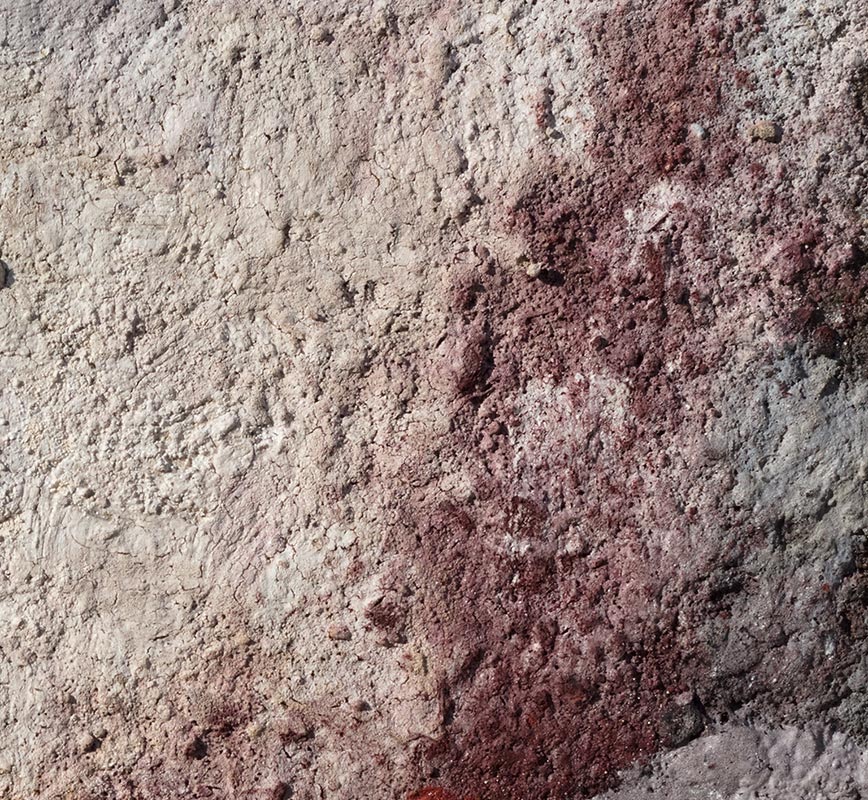
Rituale moves differently across the surface than the other panel works: earthen browns and deep reds anchor the composition while flickers of lavender, aquamarine, and pale green surface and dissolve in a rhythm that feels less like atmosphere than like recurrence, the same gesture returning in a slightly different form. The title is exactly right. What De Gennaro has caught here is not a landscape at a particular moment but the structure of a repeated action, something performed not once but in cycles, each pass leaving its trace in the wax and pigment strata.
Rituale moves differently across the surface than the other panel works: earthen browns and deep reds anchor the composition while flickers of lavender, aquamarine, and pale green surface and dissolve in a rhythm that feels less like atmosphere than like recurrence, the same gesture returning in a slightly different form. The title is exactly right. What De Gennaro has caught here is not a landscape at a particular moment but the structure of a repeated action, something performed not once but in cycles, each pass leaving its trace in the wax and pigment strata.
The beeswax and linseed oil medium of the panel works is palimpsestic by nature: each layer is semi-transparent and can be reworked at any stage prior to full cooling and curing. The surface of Rituale is a record of additions and reversals, material deposited and material removed, the whole carrying what De Gennaro describes as the temporal depth of ancient walls where "traces emerge and recede." That phrase is precise about the medium's behavior: in encaustic, what has been covered is not gone, it is visible through the translucent layers above it, present but removed by a depth of material time.
The lyrical energy of Rituale connects it to the atmospheric abstraction of Cy Twombly, particularly the late Bacchus and rose paintings in which color accumulates across a surface in sweeping, cyclical gestures that feel ritual in their repetition. But where Twombly's surfaces are declaratively gestural and open in their reference, De Gennaro's are materially dense and geographically specific: the warmth in the browns and reds is Campanian, and the flickering aquamarine and lavender are the Mediterranean and its sky, arriving and withdrawing in a cycle that has been repeating for longer than painting.