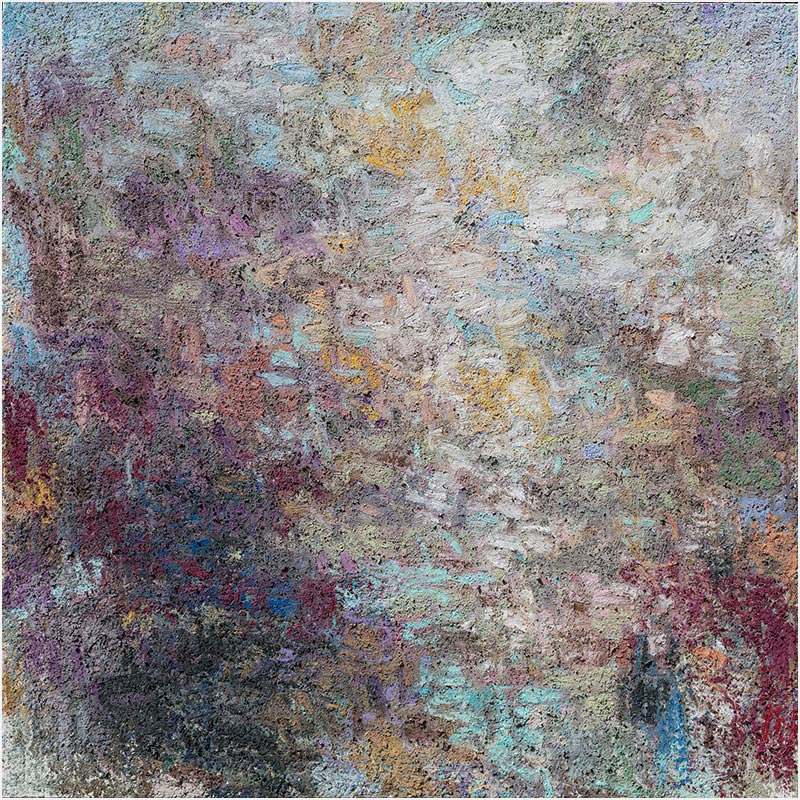
Linseed oil, pigments, beeswax, and glass powder on Panel
36 x 36 in
91 x 91 cm
US $ 5,500
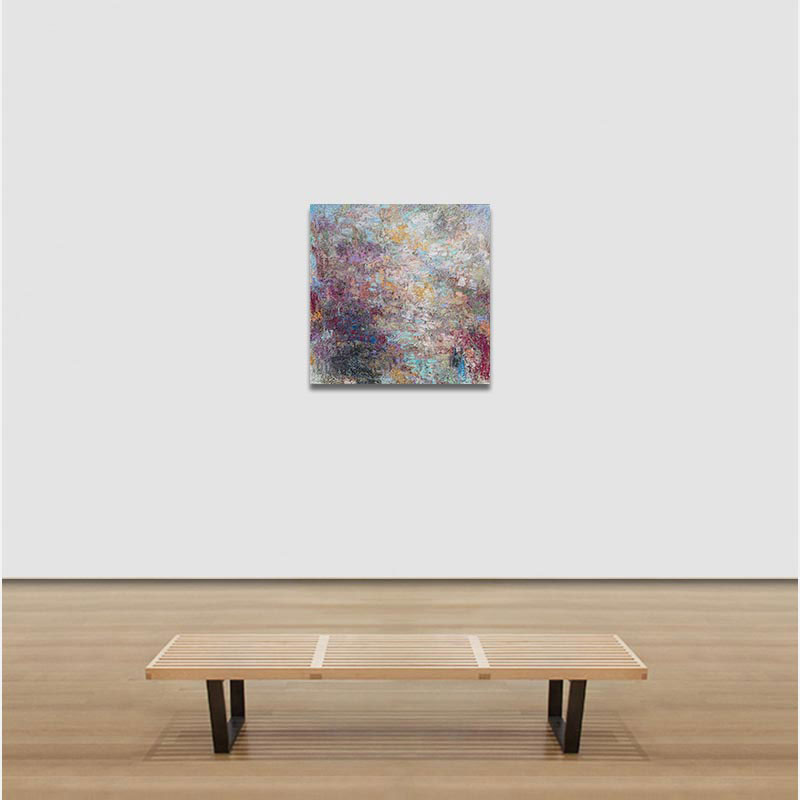
Ballads of Lights opens with color before it resolves into anything else: lavender and sage, muted gold and aquamarine woven across a surface that shifts as you move in front of it, the glass powder in the medium refracting light from within rather than reflecting it from the surface. The result is a painting that appears to be illuminated from inside, not by any single light source but distributed through the depth of the material itself, the way translucent stone glows rather than shines. This is a fundamentally different optical experience from impasto painting, and it is deliberate.
Ballads of Lights opens with color before it resolves into anything else: lavender and sage, muted gold and aquamarine woven across a surface that shifts as you move in front of it, the glass powder in the medium refracting light from within rather than reflecting it from the surface. The result is a painting that appears to be illuminated from inside, not by any single light source but distributed through the depth of the material itself, the way translucent stone glows rather than shines. This is a fundamentally different optical experience from impasto painting, and it is deliberate.
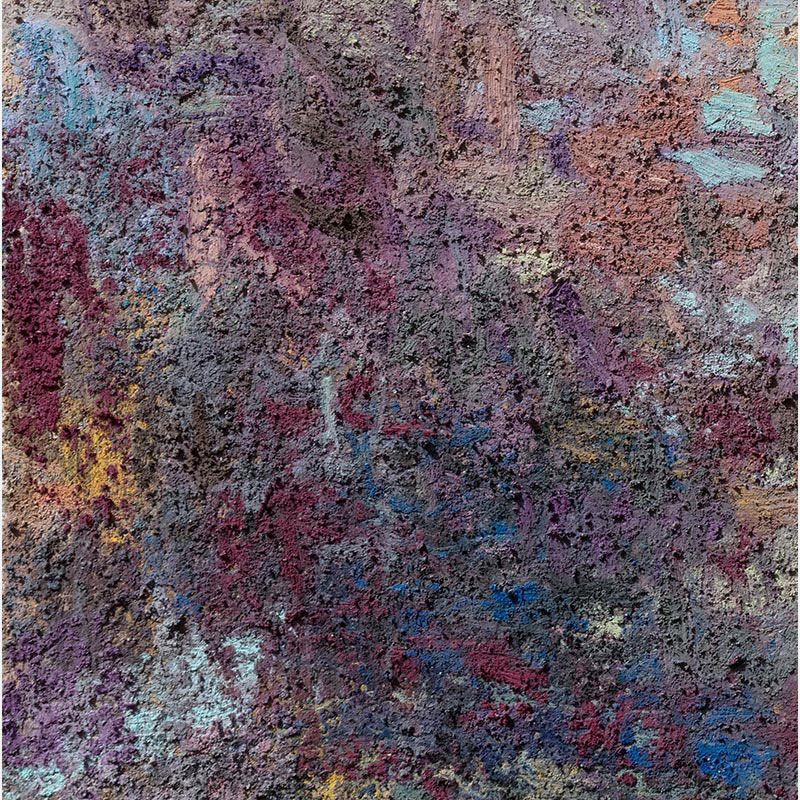
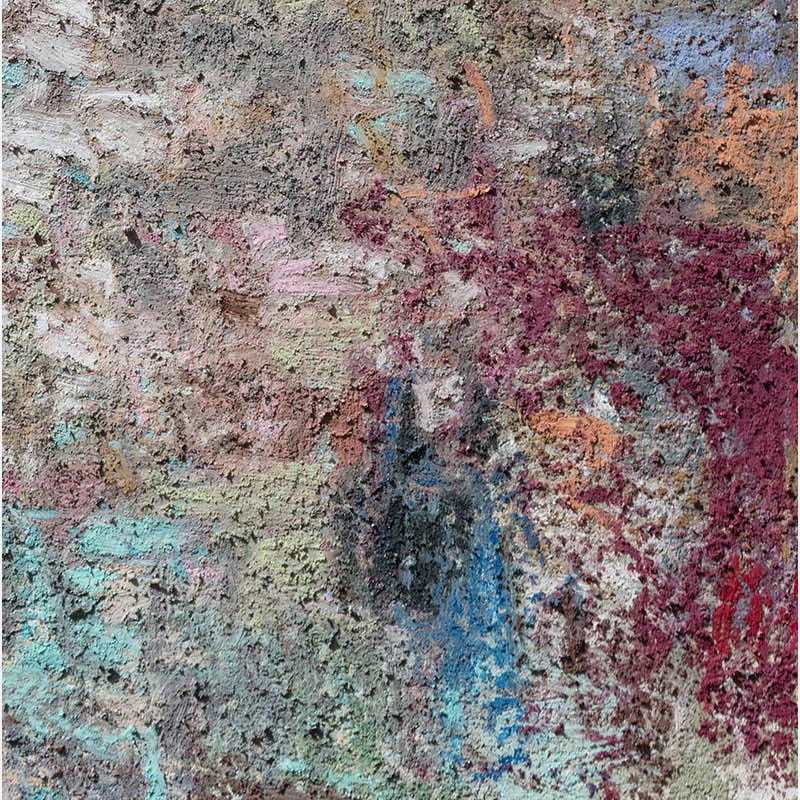
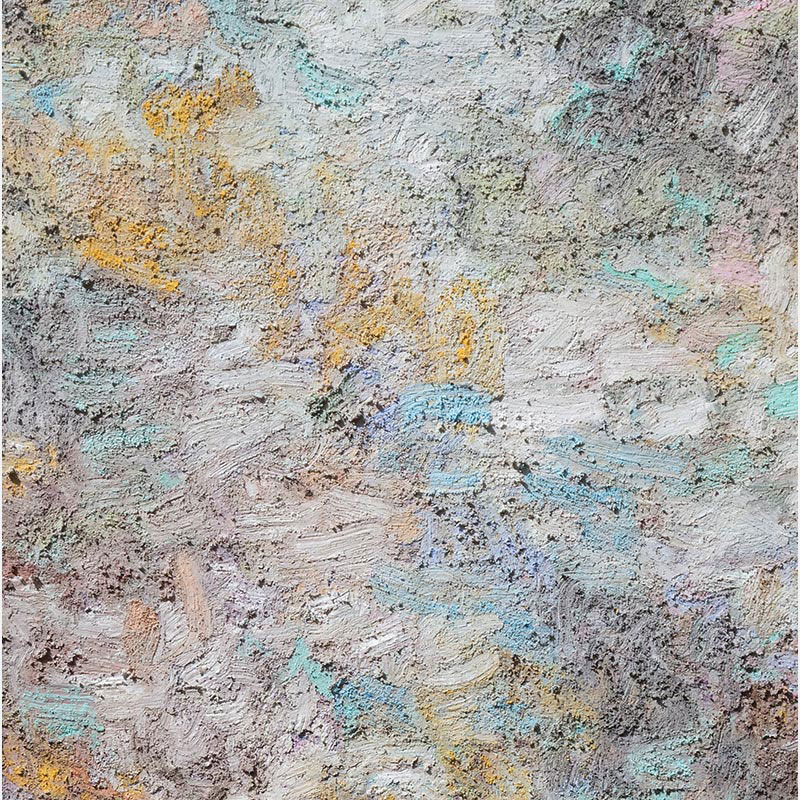
De Gennaro's 2021–2025 panel works use a hybrid medium: beeswax and linseed oil rather than the conventional beeswax-damar resin combination of classical encaustic, with ground glass powder added to the matrix. The oil introduces the deep color saturation of oil painting into a wax medium; the glass powder generates refraction within the semi-transparent layers, producing what is accurately described as a lapidary surface, luminous in the manner of polished alabaster or chalcedony rather than of varnished paint. Light is not reflected from the surface but resident within the material stratum.
The shift from the Terra Bruciata impasto works to these panels represents a fundamental reorientation rather than a simple change of medium. Where the earlier work is geological, the panel works are atmospheric: the burned earth of the Sannio has dissolved into the sky above it. Gerhard Richter, whose squeegee abstractions move between geological opacity and near-photographic translucency as two poles of the same material investigation, offers a useful parallel for an artist working with both modes across a career. De Gennaro's progression is less dialectical, more sequential: the weight of the Terra Bruciata series is the ground from which the luminous panel works ascend.